Pool Removal GuysPOOL REMOVALGUYS

Full or partial? Here is the difference.

Both options end with a usable yard. They differ in how much shell leaves the property, how water moves through afterwards, and what you can build on the footprint later. That last one drives most decisions.

Full or partial?
Ask the Guys.

Two proven ways to reclaim your space. Which one is right depends on what you plan to put there afterwards.

Partial fill-in

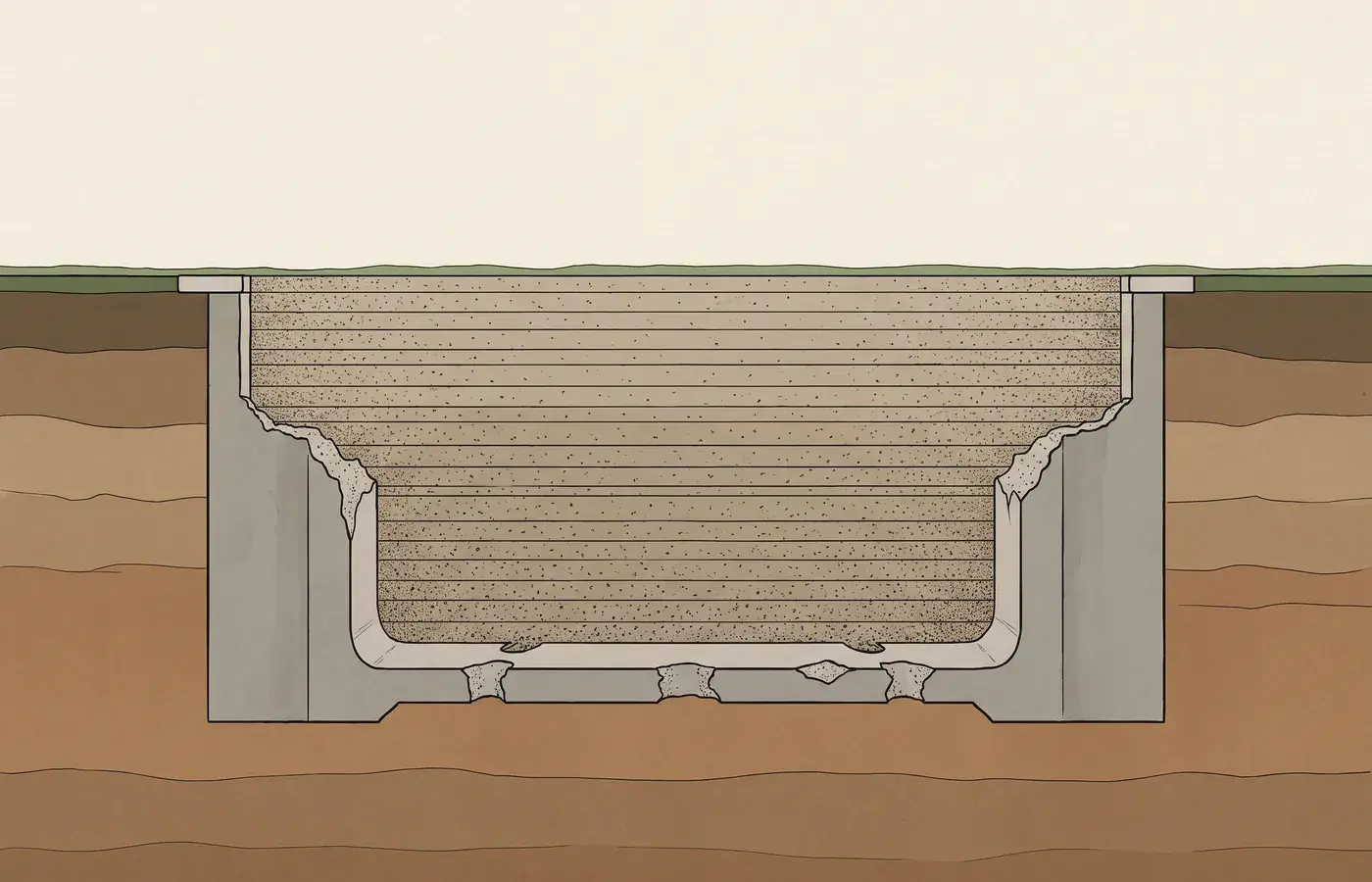
Illustrative cutaway illustration: the upper portion of a pool shell removed, drainage openings broken through the remaining base, and approved fill placed and compacted in lifts up to a finished lawn surface.
Guys’ NoteAccess affects equipment choice.

Remove the upper portion of the pool shell, create required drainage openings, place approved fill and compact it in lifts, then rough grade the area. This option is generally intended for open-yard uses when no future structure is planned, subject to local requirements.

Learn more about partial fill-in
Full removal

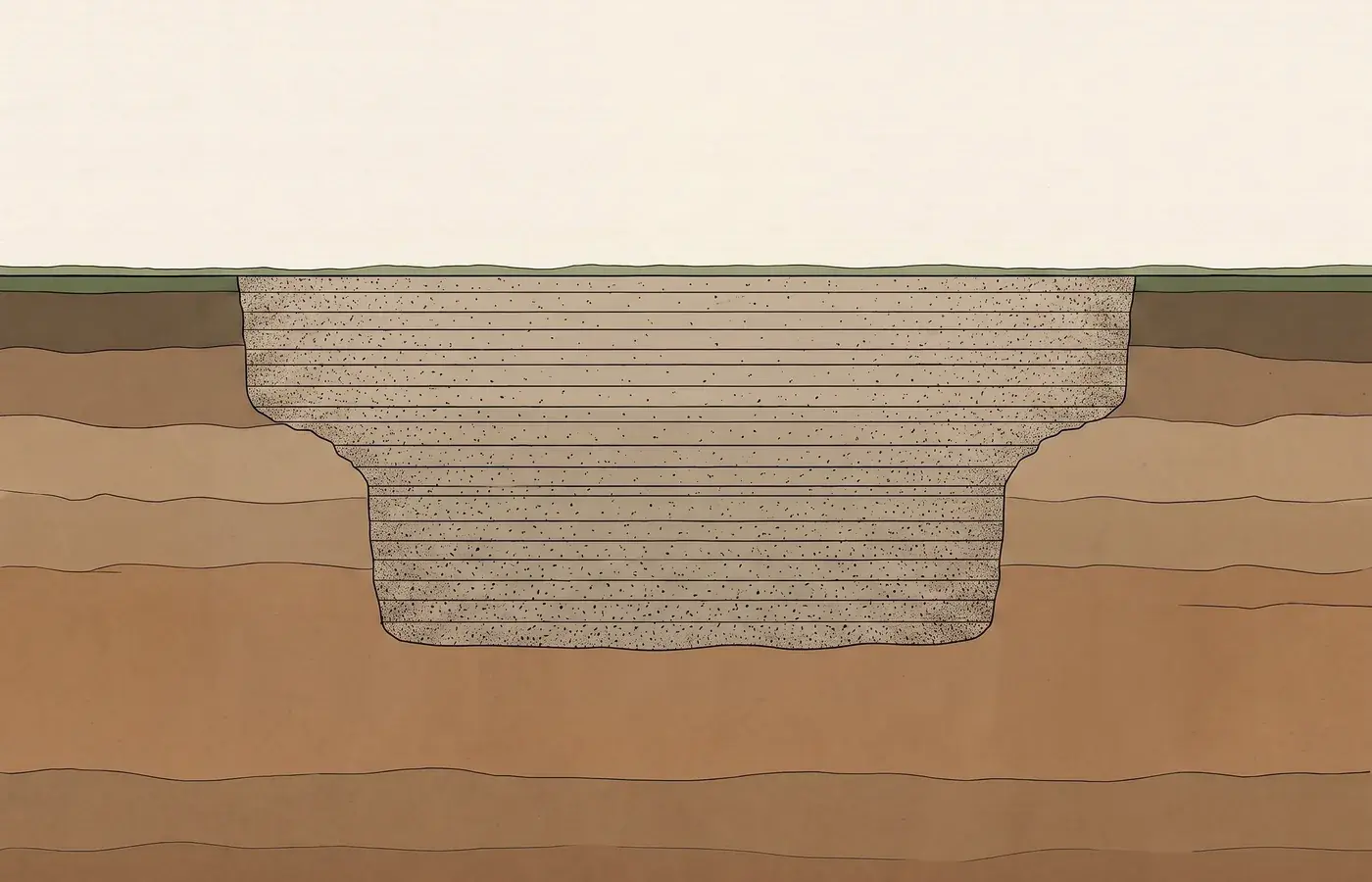
Illustrative cutaway illustration: the entire pool shell removed with no concrete remaining, and the open excavation backfilled and compacted in lifts up to final grade.
Guys’ NoteFuture builds usually require full removal.

Remove and haul away the entire pool shell, then backfill and compact the excavation before final grading. This is generally preferred when future construction may use the former pool footprint.

Learn more about full removal

Requirements vary by jurisdiction and by property. Which option is permitted on your lot, and what documentation it needs, is determined by your local building department—not by us. We coordinate the paperwork and tell you what we learn.

Get a Free Site Estimate

Side by side.

Comparison of partial pool fill-in and full pool removal
 Partial fill-inFull removal
What is removedUpper portion of the shell, hauled off.The entire shell, hauled off.
What stays in the groundThe lower shell, with drainage openings cut through it.Nothing structural.
Drainage approachOpenings through the remaining base so water passes through.Native drainage across a continuous graded surface.
BackfillApproved fill placed and compacted in lifts above the remaining shell.Approved fill placed and compacted in lifts across the full excavation.
Future structure on the footprintGenerally not intended for it.Generally the preferred option where it is contemplated.
Relative scopeSmaller — less material out and in.Larger — more material out and in, more truck traffic.
Disclosure on saleA filled-in pool is generally disclosed. Ask your agent.Generally simpler to describe, but still disclose the work.

This table describes scope, not price. What a specific project costs depends on access, depth, material, disposal and what your jurisdiction requires — which is what the site walk is for.

Still not sure which one you need?

Tell us what you want to do with the space afterwards. That single answer usually settles it.